Graded before sale
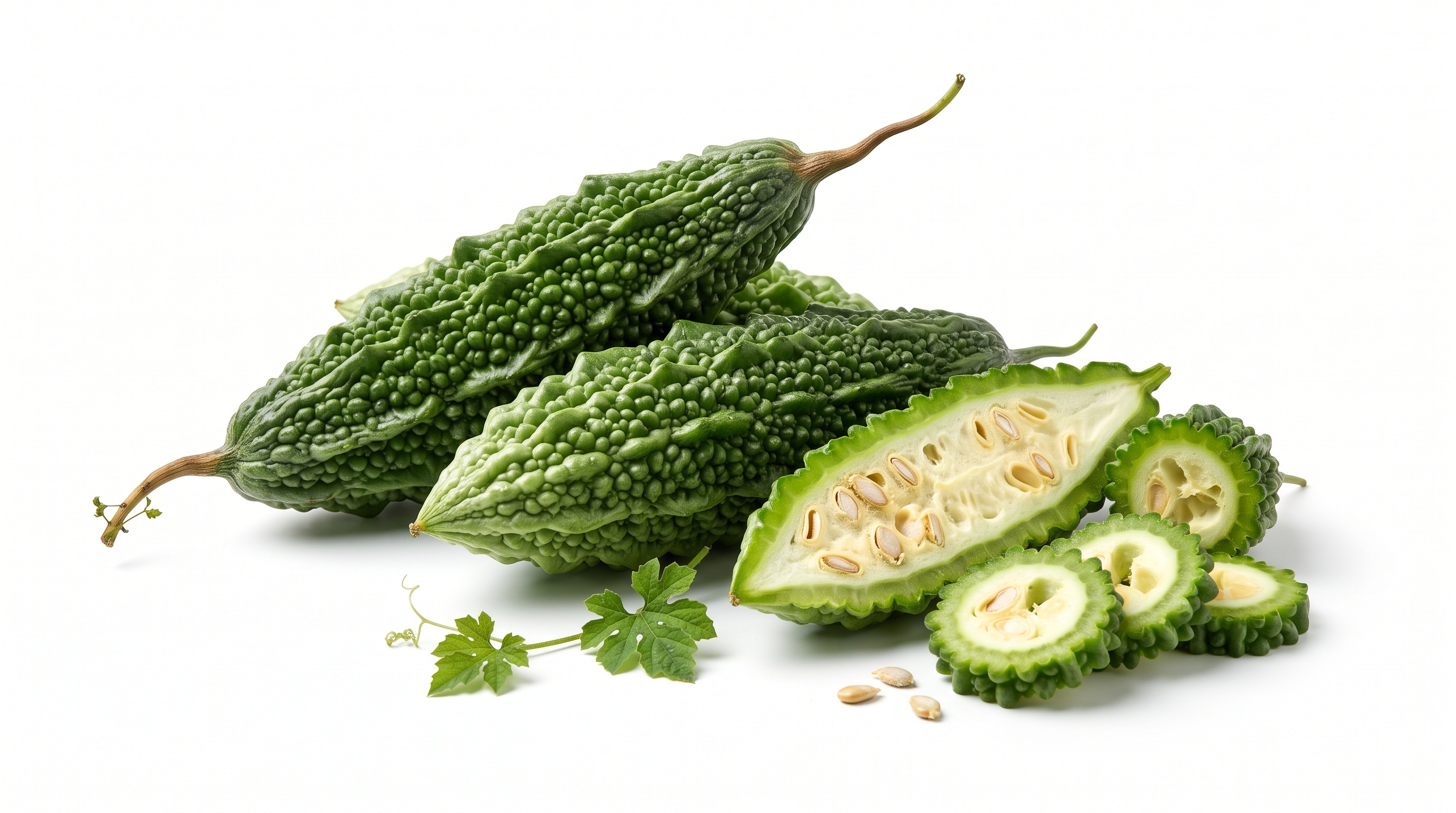
Bitter Gourd
per lb · Momordica charantia
$3.49/ lb
In 2 hours
Firm and ridged. Salted and fried, it is the best-loved bitterness in the kitchen.
Origin
—
Inspected
Every crate
Kept at
50°F (10°C)
Ripen · keep · enjoy
- As it leaves us
- Firm and green, harvested young, before the seeds harden. Firm, bright green and bumpy all over; yellow or orange patches mean it is ripening, turning softer and less bitter, and it will soon split.
- At home
- In a bag in the warmest drawer of the fridge for four or five days, away from ripening fruit.
- Enjoy by
- Within 5 days of delivery
South Florida sows bitter gourd from September to February, so it picks through winter into spring.
Nutrition & health sheetPer 100 g of the edible part▾
- 17kcal
- Calories
- 1g
- Protein
- 3.7g
- Carbs
- 0.2g
- Fat
- 2.8g
- Fibre
Vitamins & minerals
- Vitamin C84 mg93%
- Folate72 µg18%
- Fibre2.8 g10%
- Zinc0.8 mg7%
- Potassium296 mg6%
Percentages are of an adult’s daily value, per 100 g.
Good for
- Immune function — nearly a day's vitamin C in 100 g
- Folate — needed for normal cell division
- Very low in calories
Bitter gourd can lower blood sugar, so anyone on diabetes medication should know that before eating it often or drinking the juice; the seeds are not eaten.
Scoop out the seeds and pith, salt the slices for twenty minutes and squeeze them dry; that tames the bitterness.
Nutrition information from standard reference data, not medical advice.
Good with
Karela fryStuffedPulusu